
The Chair, the Onyx, and Objects of Memory
The Glass RoomThis flow follows the house’s furnishings as they acquire meanings of desire, class, ownership, and remembrance.
increasing Bearing strength in each event
 decreasing
Bearing strength in each eventdecreasingThe Onyx Wall Is Proposed
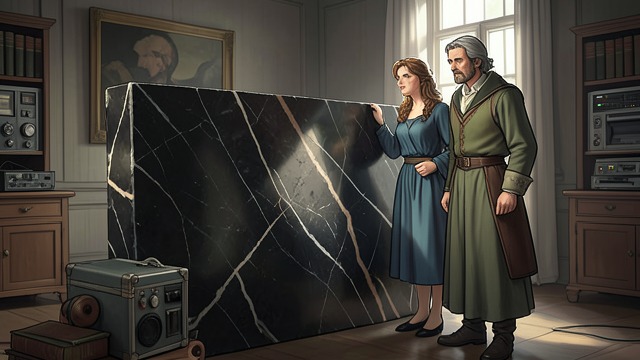
A Costly Gesture
Material and meaning
Rainer von Abt proposes an onyx partition as the centerpiece of the living room. Viktor objects to its expense, while Liesel embraces the material as a symbol of beauty and love.
The argument exposes different attitudes toward money, art, and risk.
A decision made intimate
After a visit to Kata, Viktor changes his mind and authorizes the wall. The onyx becomes linked to a private memory as well as the architect’s design.
The Wall Holds the Light
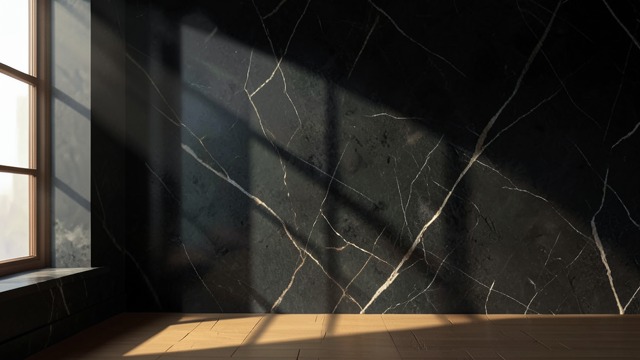
The Onyx Becomes a Presence
A changing surface
The stone’s veins catch sunlight and shift from honey-colored warmth to fiery red at sunset. The wall becomes an active element in the room rather than a mere divider.
Its material stillness contrasts with the emotional life unfolding around it.
A domestic landmark
The wall gives the open plan a focus and creates a sense of intimacy within the larger space. It becomes one of Liesel’s favorite features of the house.
Furniture as Family Life
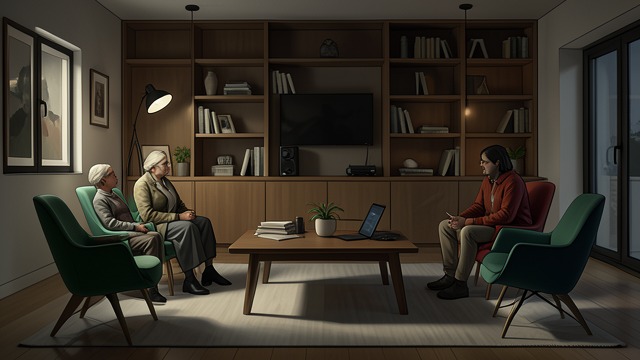
Designed Objects in Use
Chairs and routines
The specially designed chairs, table, curtains, and shelving turn the house’s abstraction into usable domestic space. Objects support meals, reading, entertaining, and private moments.
Their precise arrangement expresses the original design, but everyday life gradually gives them personal meanings.
A future collection
After the family leaves, the furniture is dispersed, stored, or lost. Later attempts to return pieces to the house cannot restore their former place in the family’s routine.
A Chair Remembers Its Owner

Laník’s Appropriation
Sitting in the Liesel chair
Laník sits in one of Liesel’s chairs after the family has left. He dislikes its form but takes pleasure in occupying a place associated with his former employer.
The act makes class resentment and private desire visible through an ordinary object.
Ownership in practice
Laník later sells much of the furniture. His actions expose the instability of ownership when the original family cannot return and institutions take control.
Objects Restored, Meanings Changed
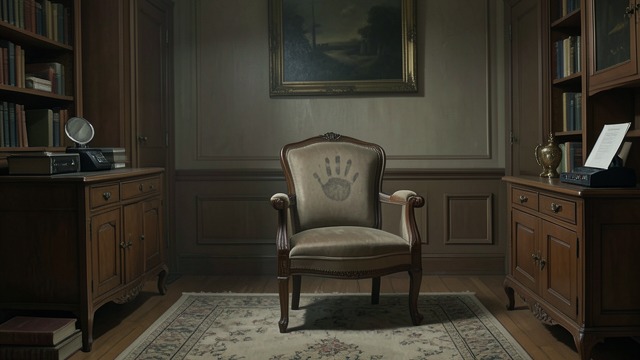
Restoration Cannot Recreate a Home
The return of objects
Some original furnishings are recovered from the museum and placed back in the house, while missing pieces are replaced or left absent. The rooms regain a partial likeness of their earlier appearance.
Visitors can see objects, but not the daily life that once gave them significance.
Memory exceeds display
For Liesel, the chair and wall recall touch, conversation, and family. For the museum, they are evidence of architectural history; the same objects hold different kinds of truth.
During the unfinished-house visit
When the house is completed
During the years in the Glass Room
After the Landauers depart
By the house’s museum presentation
